Best Grain Free Dog Food UK
A complete guide to grain free dog food - what to look for, what to avoid, and how cold pressing makes all the difference.
Most of us check the back of our own food before buying it. We look at the ingredients, avoid things we cannot pronounce, and put it back if something does not look right.
Your dog deserves the same.
Grain free dog food has become more popular for good reason. But not all grain free food is the same. Some brands just swap grains for cheap starches and still cook everything at extreme heat.
This guide covers what to look for, what to avoid, and how to pick food that actually works for your dog.
What Is Cold Pressed Dog Food?
Cold pressed dog food is made differently to normal kibble. Standard kibble is cooked at temperatures above 140°C - that level of heat breaks down proteins and destroys vitamins.
The result is a denser pellet that behaves differently in your dog's stomach:
| Feature | Standard Kibble | Cold Pressed |
|---|---|---|
| Cooking Temperature | Above 140°C | Low temperature |
| In the Stomach | Swells and expands | Dissolves and crumbles |
| Nutrients | Often added back after cooking | Naturally preserved |
| Texture | Hard and crunchy | Denser and softer |
Dogs evolved eating raw food, not heat-blasted pellets. Their digestive systems work best when food breaks down gradually. Cold pressed food works with that biology instead of against it.
Digestion and Gut Health
Because cold pressed food crumbles instead of swelling, it moves through the stomach and intestines at a better pace. More nutrients get absorbed.
Standard kibble often expands in the stomach, which can lead to discomfort, bloating, and in some breeds, more serious gastric problems.
Dogs with sensitive stomachs or loose stools often improve within a few weeks.
Skin, Coat and Joint Support
Essential fatty acids like omega-3 and omega-6 are easily damaged by heat. Cold pressing keeps them intact.
Dogs on cold pressed diets often develop shinier, softer coats within a couple of months. Dry or flaky skin tends to clear up as the body gets the fatty acids it needs.
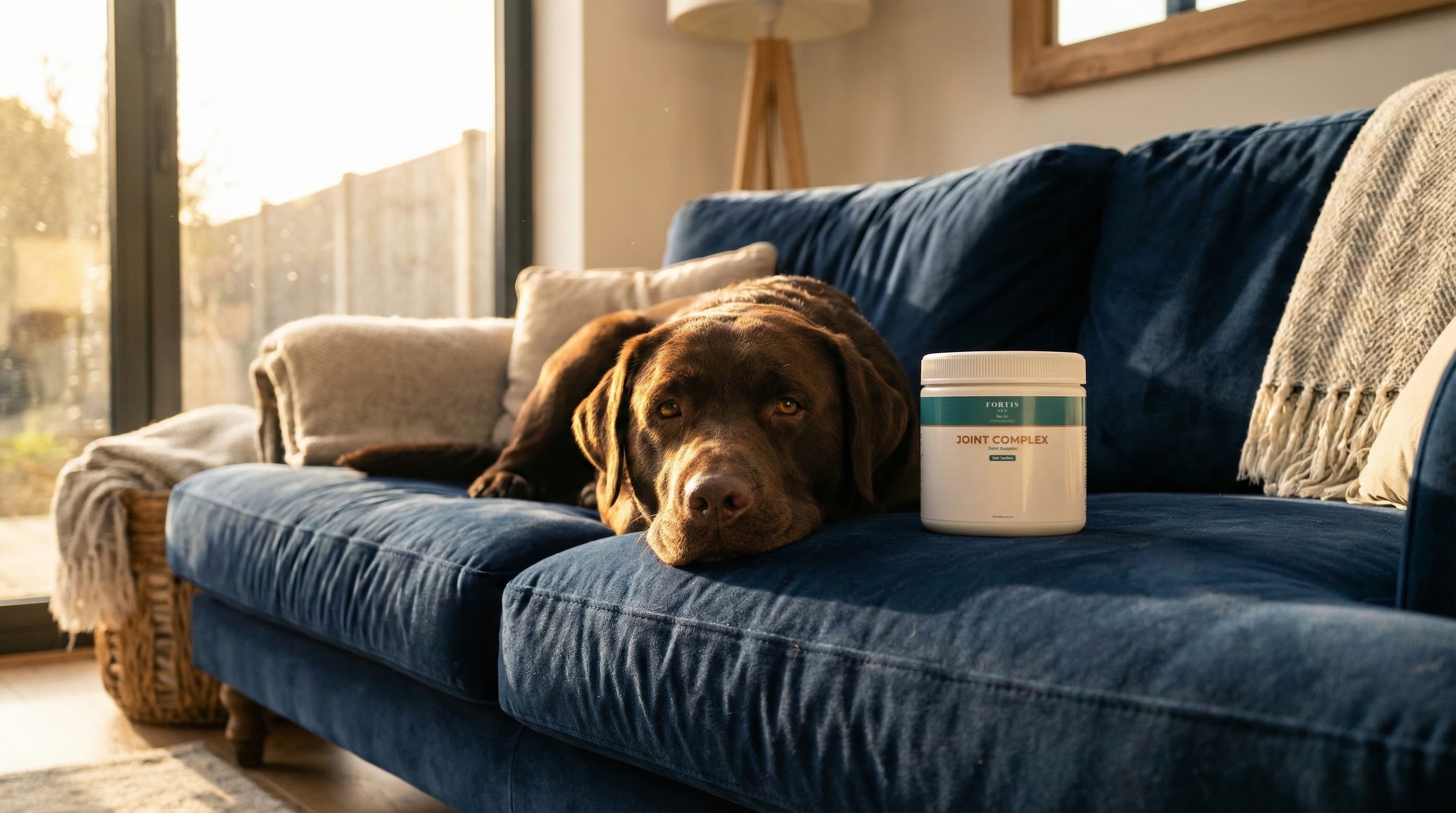
Joint health benefits come from the natural compounds in quality protein sources. Cartilage and connective tissue retain more of their useful properties when not overcooked.
Why Breed Matters
Different breeds have different needs:
Large Breeds
German Shepherds, Labradors need joint support and controlled growth rate.
Small Breeds
Chihuahuas, Yorkies have faster metabolisms. The softer texture suits smaller mouths.
Working Breeds
Spaniels, Collies need calorie-dense food for sustained energy without blood sugar spikes.
Flat-Faced Breeds
Bulldogs, Pugs, Frenchies benefit from food that doesn't swell in the stomach.
Sensitive Dogs
Some dogs are sensitive to grains without having a full allergy. Low-level inflammation can show up as:
- Itchy skin
- Ear infections
- Upset stomach
Removing grains often leads to visible improvements within four to six weeks.
What to Avoid
The ingredient list tells you everything. Watch out for:
- "Meat and animal derivatives" - a catch-all term that could mean anything
- Artificial colours - they exist for marketing, not nutrition
- Too many carbohydrates - protein should be the main ingredient
- Added sugars - molasses or corn syrup have no place in dog food
What to Look For
- Named protein sources at the top - chicken, lamb, fish, or duck
- Quality carbs - sweet potato provides natural fibre and vitamins
- Good fats - salmon oil for omega-3, avoid generic "animal fat"
- Functional extras - glucosamine for joints, chicory root for gut health
Our Recommendation
The best grain free dog food combines quality ingredients with gentle processing.
British-made food is worth looking at. UK manufacturing standards are high, and FEDIAF compliance means the food meets European nutritional standards.
Feeding Guide
Switching food takes patience. A sudden change can upset any dog's stomach.
The 7-10 Day Transition:
- Days 1-3: 25% new food, 75% old food
- Days 4-6: 50% new food, 50% old food
- Days 7-9: 75% new food, 25% old food
- Day 10: 100% new food
How much to feed depends on weight, age, and activity level. Check your dog's body shape - you should be able to feel their ribs without pressing hard.
Always make sure fresh water is available. Some owners add warm water to bring out the smell for fussy eaters.
Have more questions?
Visit our FAQ page →